_edited.png)


5 Fleet Metrics Every Manager Should Monitor This Summer

Summer can be one of the busiest and most challenging seasons for fleet operations.
Higher temperatures, increased mileage, heavier workloads, and seasonal demand can all place additional stress on vehicles and drivers. While these challenges are expected, the difference between a smooth summer and a costly one often comes down to visibility.
The good news is that fleet managers don't need to track every available data point. By focusing on a handful of key metrics, you can identify problems early, improve efficiency, and keep your fleet operating at its best throughout the season.
Here are five fleet metrics every manager should be monitoring this summer.
1. Vehicle Idle Time
As temperatures rise, drivers may be more likely to leave vehicles running to maintain cabin comfort or power auxiliary equipment.
While occasional idling may be necessary, excessive idle time can significantly increase fuel consumption and engine wear.
Monitoring idle time helps fleets:
Reduce unnecessary fuel costs
Lower emissions
Improve vehicle utilization
Identify opportunities for driver coaching
Even small reductions in idle time across a fleet can lead to meaningful savings over the course of the summer.
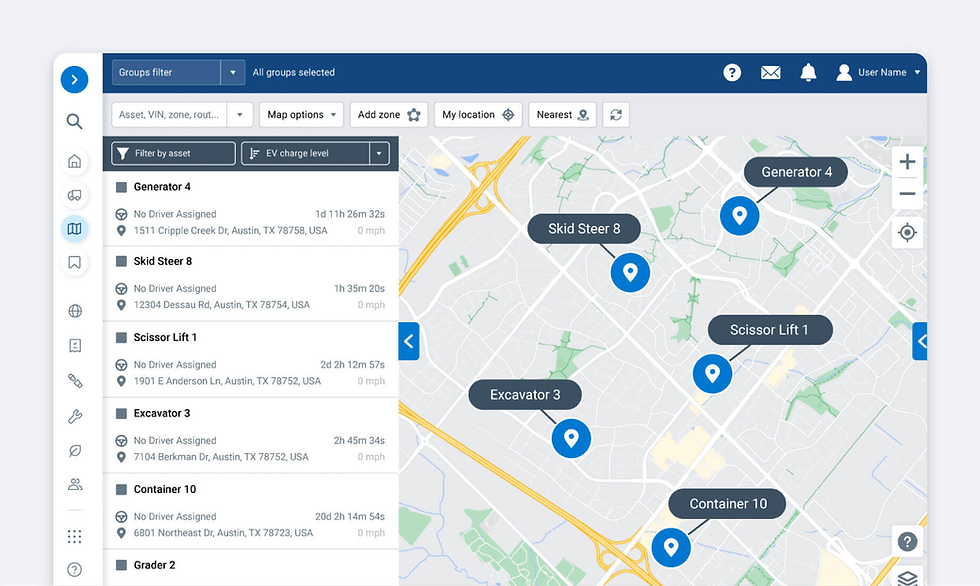
2. Fuel Consumption
Fuel remains one of the largest operating expenses for most fleets.
Summer driving conditions can impact fuel efficiency due to increased air conditioning use, longer routes, and heavier vehicle loads. Tracking fuel consumption trends can help managers identify inefficiencies before they become costly problems.
Pay attention to:
Fuel usage by vehicle
Fuel usage by driver
Changes in average fuel economy
Unexpected spikes in consumption
When combined with telematics data, fuel metrics often reveal opportunities to improve routing, reduce idling, and encourage more efficient driving habits.

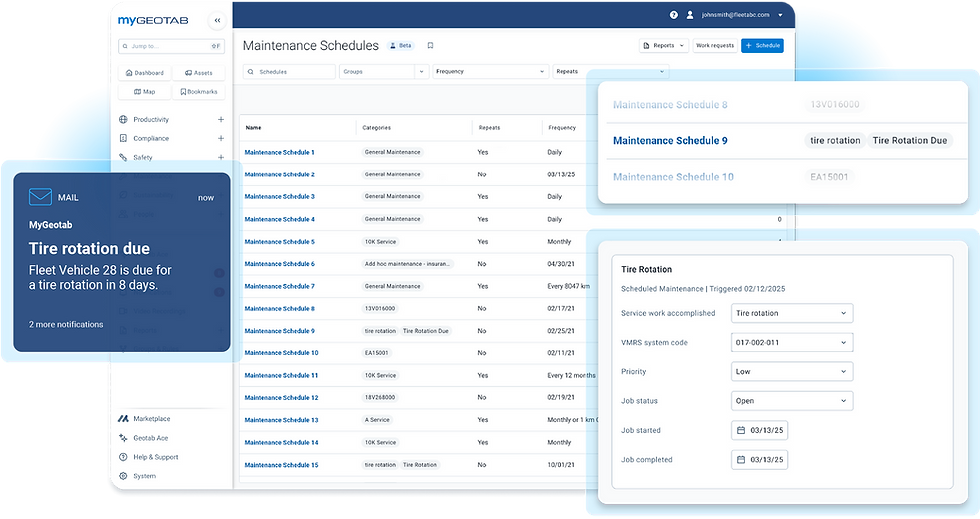
3. Vehicle Health and Maintenance Alerts
Hot weather can place additional strain on engines, batteries, cooling systems, and tires.
Monitoring vehicle diagnostics and maintenance alerts allows fleet managers to address potential issues before they result in breakdowns or costly repairs.
Important indicators include:
Engine fault codes
Battery health
Tire pressure alerts
Cooling system warnings
Scheduled maintenance reminders
A proactive maintenance strategy can help reduce downtime and keep vehicles on the road when they're needed most.
4. Driver Behavior
Driver behavior has a direct impact on both safety and operational costs.
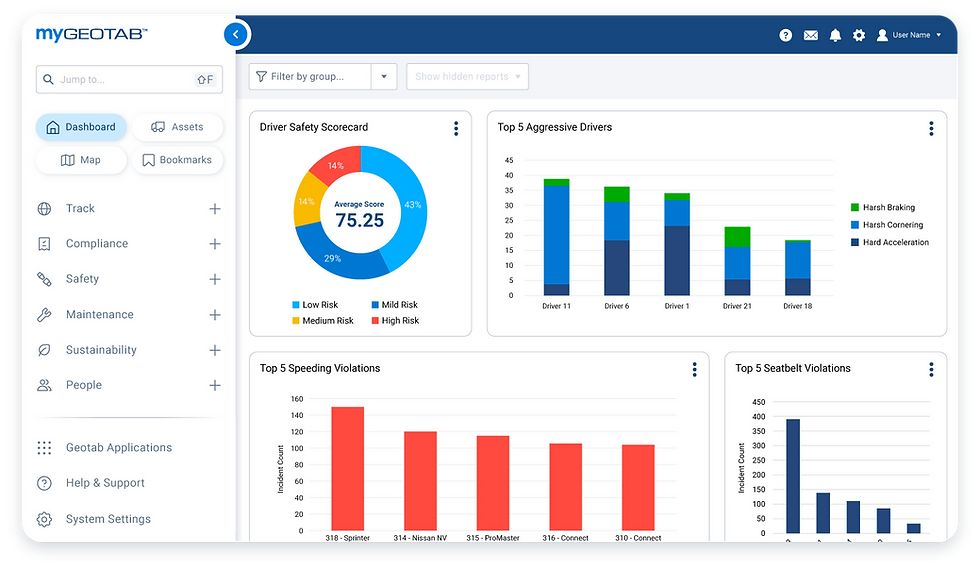
Metrics such as speeding, harsh braking, rapid acceleration, and distracted driving can contribute to increased fuel usage, vehicle wear, and accident risk.
By monitoring driver performance, fleets can:
Improve safety outcomes
Reduce fuel waste
Lower maintenance costs
Support driver coaching initiatives
The summer season often means more vehicles on the road, making safe driving habits even more important.
5. Vehicle Utilization
Understanding how vehicles are being used is essential for maximizing fleet efficiency.
Vehicle utilization metrics help identify:
Underused assets
Overworked vehicles
Opportunities to balance workloads
Potential fleet right-sizing opportunities
Monitoring utilization ensures that resources are being allocated effectively and helps prevent unnecessary wear on specific vehicles.
For many fleets, utilization insights can uncover hidden opportunities to improve productivity without adding additional vehicles.

Turning Data Into Action
Collecting fleet data is only the first step. The real value comes from using that information to make smarter operational decisions.
By consistently monitoring idle time, fuel consumption, vehicle health, driver behavior, and utilization, fleet managers can gain a clearer picture of fleet performance and identify opportunities for improvement before issues escalate.
Summer can be demanding, but with the right visibility, fleets can stay efficient, productive, and prepared for whatever the season brings.
Final Thoughts
The most successful fleets aren't necessarily the ones with the most data. They're the ones that focus on the metrics that matter most.
As operational demands increase this summer, keeping an eye on these five key performance indicators can help reduce costs, improve safety, and keep your fleet moving efficiently.
Ready to Gain Better Fleet Visibility?
Can-Am Telematics helps fleets turn data into actionable insights through advanced telematics, vehicle diagnostics, driver safety monitoring, and fleet management solutions.
Contact our team today for a free fleet audit or personalized demo to see how greater visibility can improve your operations this summer.

Comments